

Libraries have always been shaped by the places that built them. The great libraries of history rose in cities where scholars gathered. Small-town libraries became meeting places where neighbours exchanged ideas as readily as they borrowed books. Wherever they appeared, they reflected the communities around them. That tradition continues today, although not always in the buildings we expect.
Around the world, books now occupy places that were never designed to hold them. A Victorian telephone box has become a community book exchange. Boats carry books through flood-prone waterways. A vast underground archive protects millions of printed works beneath layers of limestone. On a Bulgarian beach, readers can borrow a novel without ever leaving the sand.
Each location is unusual in its own way, but they all answer the same question: how do you keep books within reach when a traditional library isn’t practical?
1. Britain’s Red Telephone Box Libraries
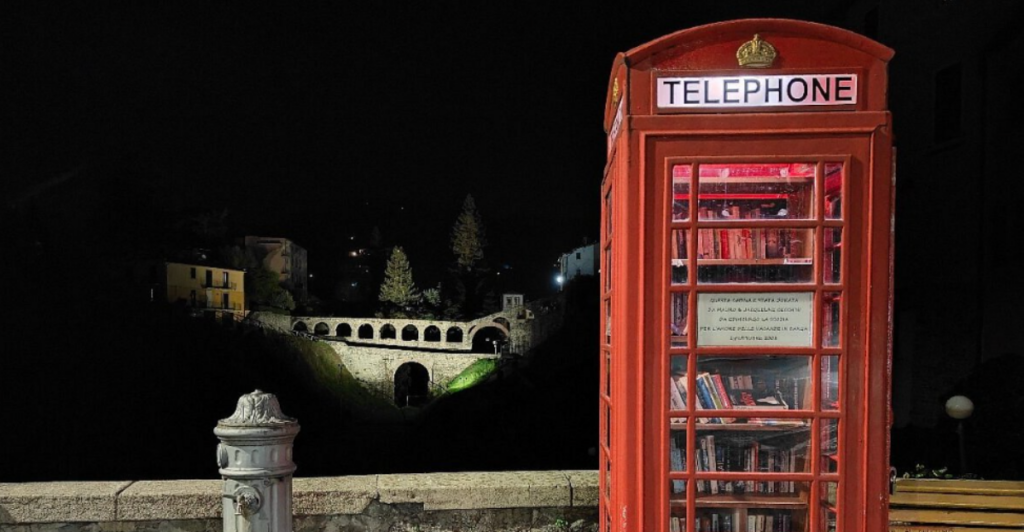
For decades, the bright red telephone box was part of everyday life across Britain. Designed by Sir Giles Gilbert Scott in the 1920s, the cast-iron kiosks became one of the country’s most recognisable landmarks. As mobile phones replaced public payphones, thousands of the boxes fell into disuse. Many communities refused to let them disappear.
Through BT’s Adopt a Kiosk scheme, villages, local organisations and volunteer groups began purchasing redundant telephone boxes and giving them new purpose. Some became cafés or information centres. Others were transformed into tiny libraries, where anyone could take a book, leave one behind and help keep the shelves stocked for the next visitor.
One of the best-known examples is the Lewisham Micro Library in south-east London, housed inside a restored red telephone box. Similar book exchanges can now be found in villages and towns across the United Kingdom, each reflecting the reading habits of its own community rather than the decisions of a central library system.
What makes these libraries memorable isn’t their size. Most hold only a few dozen books. Instead, it’s the contrast between old and new. A structure once built to connect voices now connects readers.
2. Floating Libraries in Bangladesh
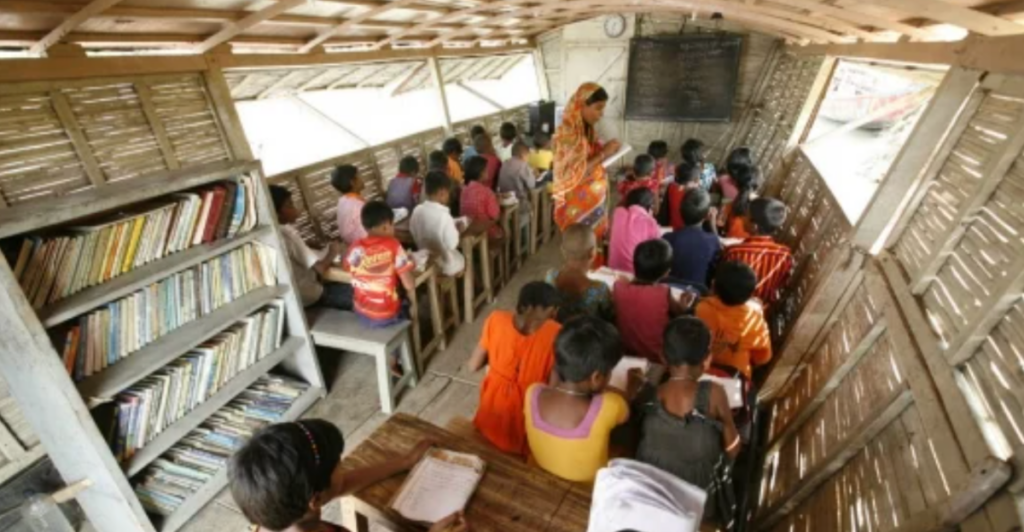
In Bangladesh, access to books can become particularly challenging during the monsoon season, when rivers overflow and floodwaters isolate rural communities. To overcome that barrier, the non-profit organisation Shidhulai Swanirvar Sangstha created a fleet of solar-powered boats that function as floating libraries, classrooms and technology centres. Rather than asking children to travel to a library, the library travels to them.
The boats carry books, computers with internet access and educational resources, docking at villages along the river network. For communities affected by seasonal flooding, they provide continuity when schools and roads become difficult or impossible to reach.
The project has attracted international attention because it demonstrates how libraries can adapt to local geography instead of expecting geography to adapt to them. In a country shaped by rivers, one of the most effective libraries also happens to float.
3. The Underground Archive Beneath Missouri
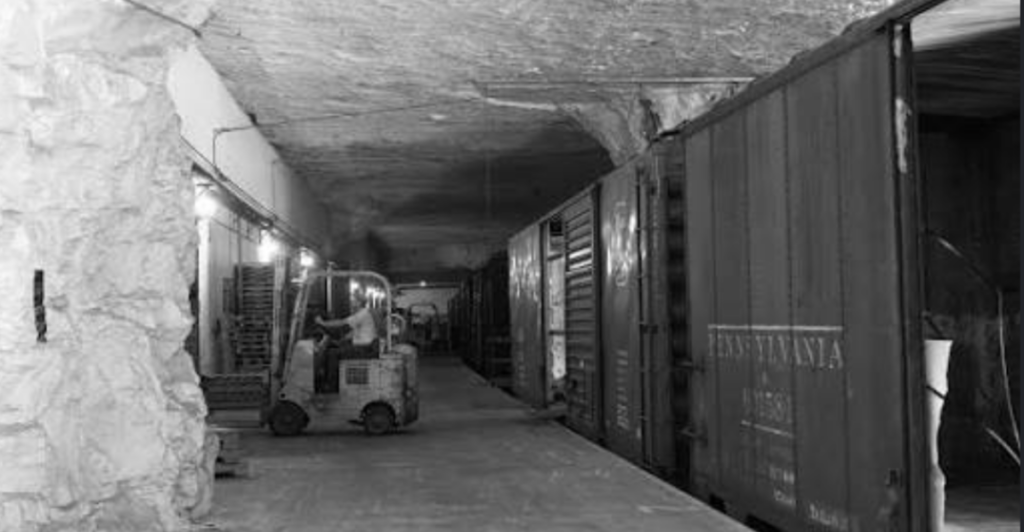
Beneath the hills near Springfield, Missouri, an extensive network of former limestone mines has been converted into secure archival storage. The naturally cool, stable environment provides ideal conditions for preserving books, manuscripts, photographs, film, historical documents and other fragile collections that could deteriorate if exposed to fluctuating temperatures and humidity.
Publishers, museums, libraries and government organisations store material there because the underground conditions remain remarkably consistent throughout the year. Instead of relying entirely on climate-control systems, the surrounding limestone helps maintain an environment well suited to long-term preservation.
Visitors won’t find rows of reading desks or shelves to browse. This is an archive rather than a lending library. Its purpose is different but no less important: protecting the written record so that future generations can still access it.
4. A Library on the Beach
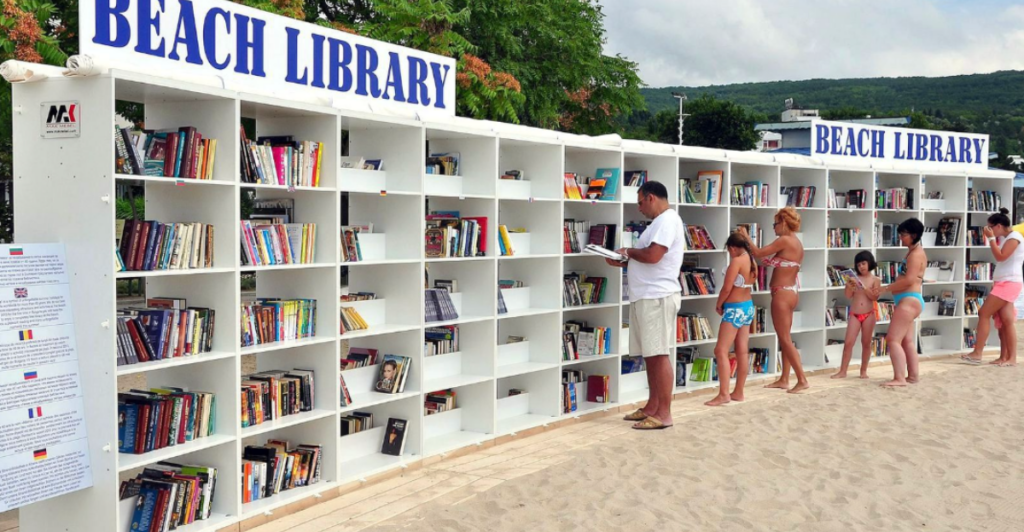
On Bulgaria’s Black Sea coast, one of the country’s most unusual seasonal libraries appears each summer on the sands of Albena Beach. Instead of walking into a building, visitors browse open-air bookshelves only a short distance from the shoreline. The collection includes books in several languages, reflecting the international visitors who spend their holidays there. Readers are free to borrow a book, settle beneath a beach umbrella and return it when they’ve finished.
The beach library has become one of Albena’s distinctive attractions because it quietly encourages a slower pace. Between swimming, walking and exploring the coastline, people pause long enough to lose themselves in a novel while the sound of the Black Sea replaces the silence usually associated with a library.
The setting changes, but the experience remains familiar. A shelf of books. A comfortable place to read. Time set aside for a story.
5. The Little Libraries Found Almost Everywhere
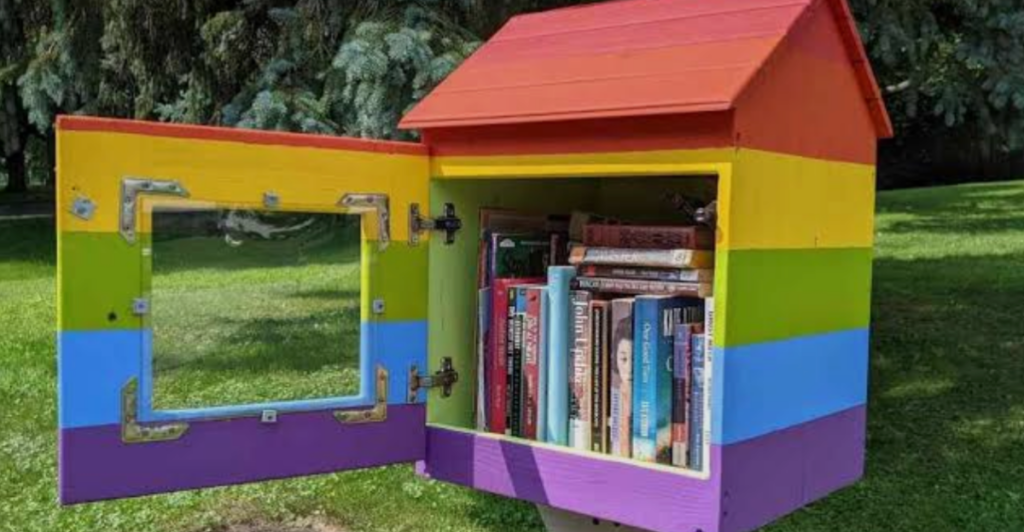
Some of the world’s most unusual libraries aren’t famous landmarks at all. They stand outside homes, schools, parks and community centres in the form of small weatherproof book boxes known as Little Free Libraries.
The movement began in 2009, when Todd Bol built a small wooden book exchange in Wisconsin as a tribute to his late mother, a teacher who loved reading. What started as a single structure has grown into a worldwide network of more than 200,000 registered Little Free Libraries across 128 countries. Together, they have facilitated the sharing of hundreds of millions of books.
Each operates on the same principle: take a book, share a book. There are no library cards, opening hours, or overdue notices. Volunteers maintain the collections, neighbours contribute books and readers discover titles they may never have encountered otherwise. The model is remarkably simple, yet it has become one of the largest community-led literacy initiatives in the world.
More Than Buildings
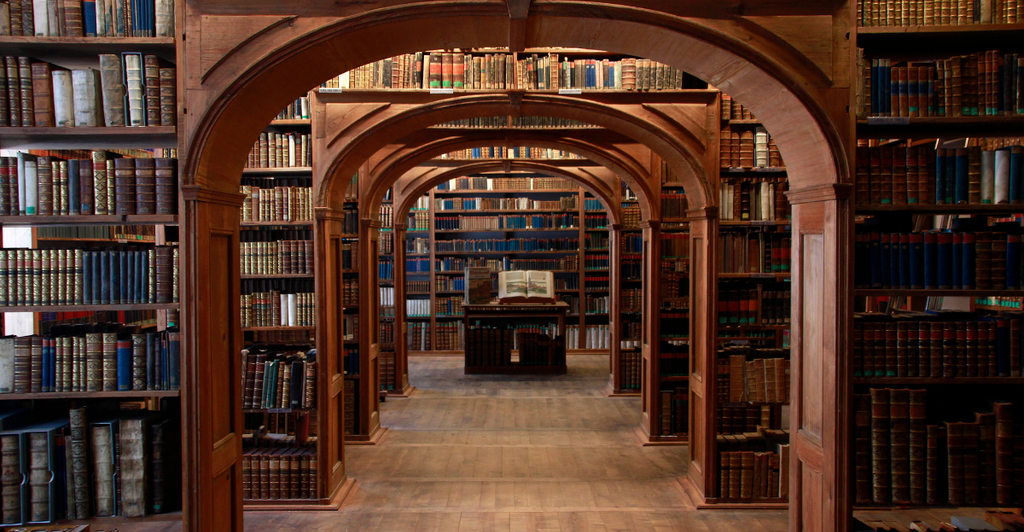
These libraries have little in common architecturally. One occupies a former telephone box. Another sails along rivers. One sits beneath layers of limestone, while another appears beside the sea for the summer season. What connects them is not the buildings themselves but the determination behind them.
Every one of these projects began with the same conviction: that access to books should not depend entirely on geography, circumstance or convention. Sometimes that means reusing a familiar landmark. Sometimes it means building a library that floats. Sometimes it means protecting millions of books underground so they survive for generations to come.
Libraries have never been defined solely by shelves and walls. At their best, they are simply places where stories remain within reach, no matter where those stories are needed most.