
Buying a diary was my kryptonite.
Not just buying one.
Choosing one.
I’d stand in the stationery aisle far longer than anyone should, picking each one up, running my hand over the cover, opening it somewhere in the middle to feel the paper. I’d read the quote embossed in gold, admire the ribbon bookmark, and convince myself that this one felt different. Some looked too corporate. Others too childish. Some had flowers on the cover. Others were wrapped in linen. I never chose the cheapest one. Spending a little more somehow made it feel like a bigger commitment.
Looking back, I wasn’t really buying a diary. I was buying a version of myself. The woman who kept that diary was organised. She reflected on life. She noticed things worth remembering. At the end of every day, she filled another page with thoughts that one day her older self would treasure. She had her life together in a way I was certain I could too, if only I found the right notebook. The diary wasn’t really the purchase. Hope was.
The first entry was always written in my neatest handwriting. There was something almost ceremonial about that first page. I’d write the date carefully, determined not to spoil the paper with rushed words. Sometimes I’d even apologise to my future self for all the years I’d failed before, promising that this time would be different. It rarely was. Some diaries contain three pages. Some contain one. Many never made it beyond my name written neatly inside the cover. Somehow, even that felt like progress at the time.
I never threw them away. They sat together on a bookshelf, quietly multiplying. Every now and then, I’d notice them while looking for another book. I never opened them because I already knew how the story ended. For years, I thought they represented a lack of discipline. Other people managed to keep journals. Why couldn’t I? What was so difficult about writing a few sentences every evening?
Empty Diary Disappointment
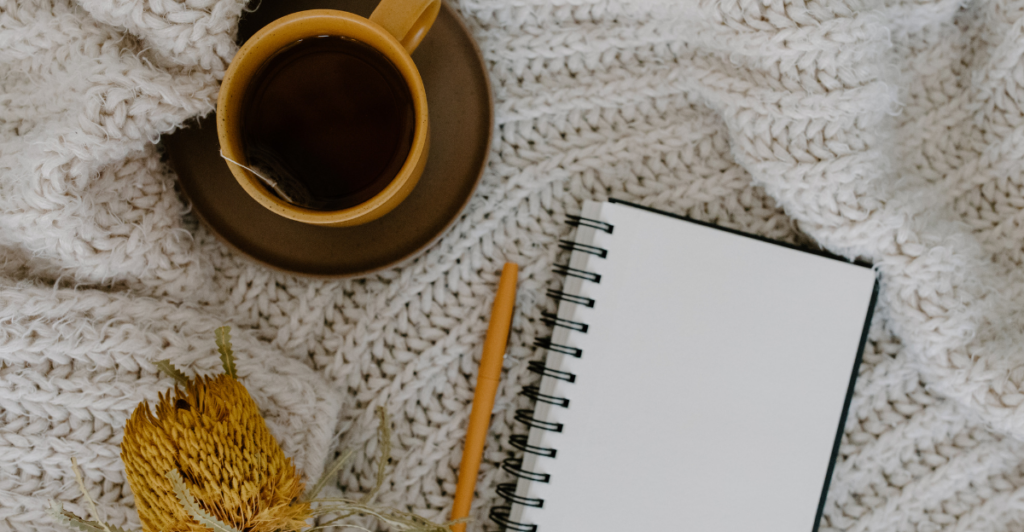
Eventually, I realised I wasn’t disappointed by the empty pages. I was disappointed by what I believed they said about me. Every untouched diary became another piece of evidence in a case I was quietly building against myself. You’re inconsistent. You never finish what you start. You get excited by ideas but never follow through. The diaries never judged me. They simply echoed the judgement I’d already passed on myself. It’s astonishing how easily we let ordinary objects become judges.
A bathroom scale.
A gym membership card.
A guitar gathering dust in the corner.
A diary with only three pages filled.
None of them have opinions. We simply hand them our own voice and then spend years believing what they tell us.
One of these abandoned diaries eventually sent me down a rabbit hole. I wanted to understand why some people seem almost compelled to write their lives down while others simply can’t make the habit stick. I expected to find advice about discipline, routines, or personality types. Instead, I found myself reading neuroscience papers at midnight. I’d always imagined memory as a recording stored somewhere inside my brain, waiting to be replayed whenever I needed it. The reality is stranger. Memory isn’t a filing cabinet. It’s an act of reconstruction. Every time we remember something, our brains rebuild it, filling gaps without us noticing, borrowing details from photographs, colouring old events with everything we’ve learned since. We don’t simply revisit the past. We rewrite it.
That means your favourite childhood memory isn’t necessarily your most accurate one. It’s simply the latest version after years of quiet editing. A diary isn’t simply a place to store memories. It’s a conversation with someone who no longer exists. That idea stayed with me. But another question stayed even longer. If I’d never successfully kept a diary, where had my life gone? The answer, it turned out, was everywhere. I’d been keeping a record of my life all along. I just hadn’t recognised the language.
Digital Diaries
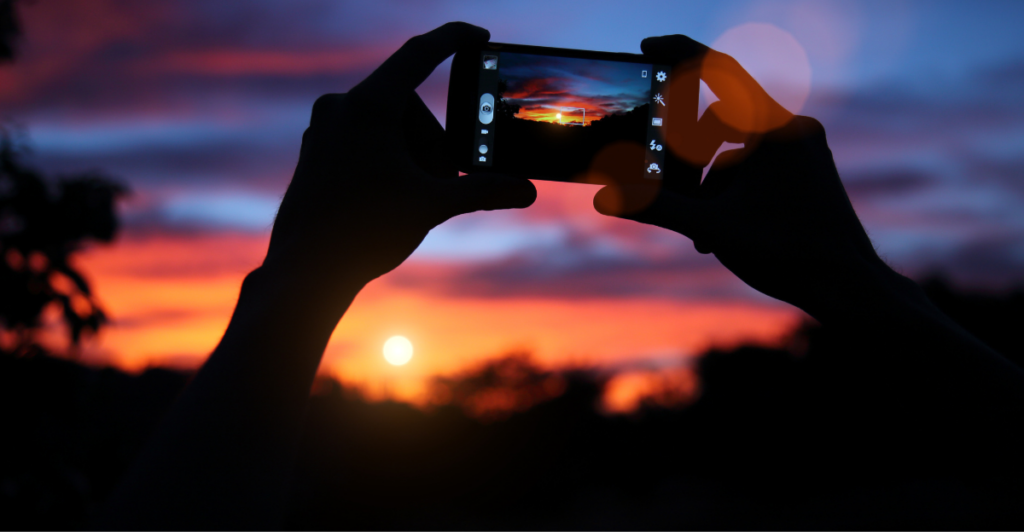
It was in the thousands of photographs on my phone that instantly transported me back to forgotten afternoons. It was in voice notes recorded before an idea disappeared. It was in messages that made me laugh all over again years later, recipes scribbled on scraps of paper, books with folded corners, and browser histories full of questions that made perfect sense at the time. Somewhere among all those fragments was a life I thought I’d failed to record. I hadn’t failed at all. I’d simply never recorded it in paragraphs.
That realisation was unexpectedly freeing because it forced me to admit something I’d been avoiding for years. The woman with the beautiful diary wasn’t actually me. She was someone I’d invented because I admired what she represented. Organised. Disciplined. Intentional. I wasn’t hoping the diary would help me remember my life. I was hoping it would transform me into someone else. No wonder I kept failing. I wasn’t buying stationery. I was buying self-improvement disguised as paper.
I don’t buy diaries anymore. Not because I’ve given up, but because I’ve stopped asking a notebook to tell me who I should be. There is a quiet sense of peace in accepting that some people think on paper while others think through conversations, photographs, long walks, music, or curiosity. My mind has never organised itself into daily entries. It organises itself into questions. That’s how I process the world. It’s also how I remember it. One question becomes another until I look up three hours later, knowing more about the world and, somehow, a little more about myself.
Perhaps there really are diary people and non-diary people. Or perhaps there are only people who leave different kinds of traces behind. Some leave shelves filled with beautifully written journals. Others leave recipe books stained by years of family dinners, playlists that capture entire seasons of life, camera rolls overflowing with ordinary moments, or search histories full of wonderfully random questions. None of those are lesser ways of remembering. They’re simply different languages.
I used to think the diaries on my bookshelf represented failure. Now they remind me how long it took to stop trying to become someone else. I still stop in the stationery aisle sometimes. I still pick them up. I still run my fingers over the covers and read the quotes on the front. They’re just beautiful notebooks now. They still offer hope. Just not the hope of becoming someone else.
🪶 Dive into this next: 10 Rainy-Day Projects You’ll Remember Long After the Rain Has Stopped