

Every September, thousands of South Africans ask the same question. What should I plant this spring? It sounds simple enough. Then Google confidently tells someone in Cape Town to follow advice written for someone in Ohio. Or suggests the same planting calendar for Durban, Bloemfontein and Springbok—as if South Africa isn’t one of the most geographically diverse countries in the world. That’s where things start going wrong.
Our climate is a bit like our people. Wonderfully diverse, occasionally unpredictable, and impossible to squeeze into one neat category. We have snow-capped mountains, subtropical coastlines, vineyards, deserts, grasslands and forests. There are places where winter rain fills dams, others that wait patiently for summer thunderstorms, and towns where four seasons seem determined to squeeze themselves into a single afternoon.
Trying to create one planting calendar for South Africa is a bit like saying everyone has the same accent. Anyone who’s heard a conversation between someone from Cape Town, Durban and the Karoo knows that’s never going to happen. That’s why successful gardeners don’t ask, “What month is it?” They ask, “What are the conditions where I live?”
Your Climate Matters. So Does Your Soil.
Plants don’t care which province they’re growing in. They care about temperature, rainfall, sunshine and soil. The Western Cape enjoys a Mediterranean climate, with most of its rain falling during winter. By spring, the soil is warming and gardens begin their shift towards summer vegetables.
Around Cape Town, many gardeners are working with soil that feels suspiciously like beach sand. Water disappears almost as quickly as payday money, nutrients wash away easily, and compost becomes less of a luxury and more of a necessity.
Much of Gauteng and the Highveld sits on heavier clay soils. They’re wonderfully loyal. Once they have water, they’re in no hurry to let it go. That’s excellent during dry spells but can leave roots struggling if the soil becomes compacted.
KwaZulu-Natal has warmth and humidity on its side. Vegetables grow with impressive enthusiasm. Unfortunately, so do weeds, insects and fungal diseases. In the Northern Cape, gardening often becomes a masterclass in making every drop of water count.
None of these conditions are better or worse. They’re simply different. And once you stop fighting your environment and start working with it, gardening becomes far more rewarding.
Western Cape
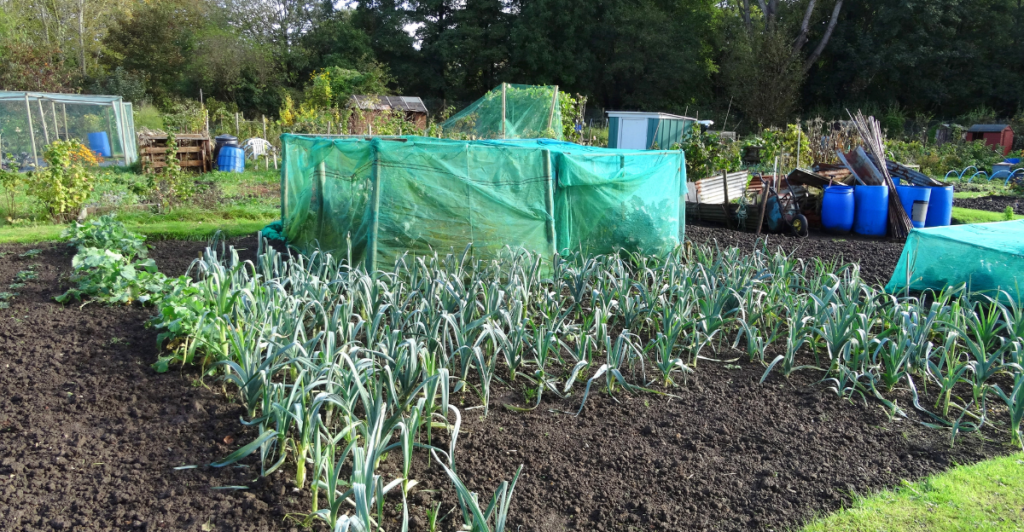
Mediterranean climate • Winter rainfall • Sandy soils common
Spring in the Western Cape is when gardeners collectively convince themselves they’re only popping into the nursery for one packet of seeds. They rarely leave with just one. As the soil warms, it’s time to start planting warm-season favourites while cooler conditions still suit a few winter vegetables.
Plant now
- Tomatoes
- Cucumbers
- Baby marrows (courgettes)
- Pumpkins
- Sweetcorn (mielies)
- Green beans
- Beetroot
- Carrots
- Lettuce
- Spring onions
- Radishes
- Leeks
- Basil
- Potatoes (early spring)
- Cabbage (best planted from seedlings early in spring)
Growing tip
Improve sandy soil with generous amounts of compost and add mulch around young plants. You’ll spend less time watering and more time enjoying your garden.
Gauteng, Free State, North West and the Highveld
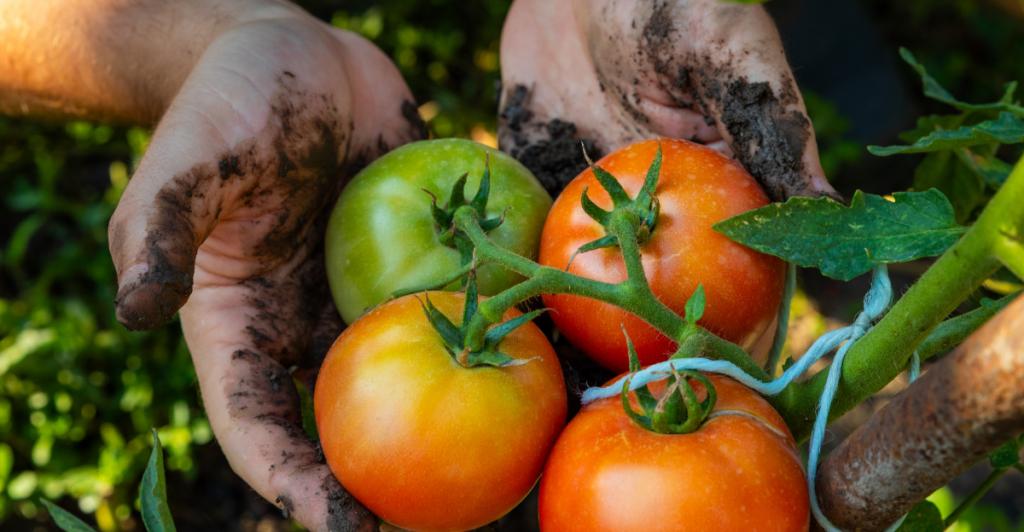
Summer rainfall • Cold winters • Clay soils common
September feels like the starting gun. Once the risk of frost has passed, gardeners waste very little time filling beds with summer vegetables.
Plant now
- Tomatoes
- Peppers
- Chillies
- Beans
- Cucumbers
- Pumpkins
- Sweetcorn (mielies)
- Beetroot
- Carrots
- Spinach
- Swiss chard
- Lettuce
- Radishes
Growing tip
Clay soil loves compost. It improves drainage, makes digging easier and gives roots plenty of room to stretch.
KwaZulu-Natal Coast
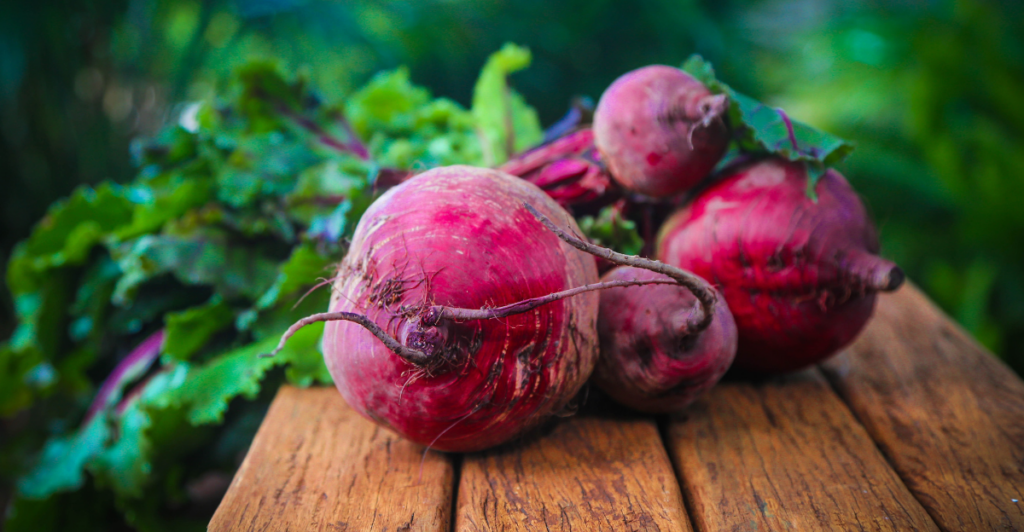
Warm • Humid • Long growing season
If vegetables handed out awards for “Most Likely to Grow at Record Speed”, KwaZulu-Natal would probably be collecting trophies. The weeds would too.
Plant now
- Tomatoes
- Cucumbers
- Beans
- Peppers
- Sweetcorn (mielies)
- Lettuce
- Spinach
- Swiss chard
- Beetroot
- Radishes
- Basil
- Parsley
Growing tip
Don’t overcrowd plants. Good airflow is one of the simplest ways to reduce fungal diseases in humid conditions.
Limpopo and the Lowveld
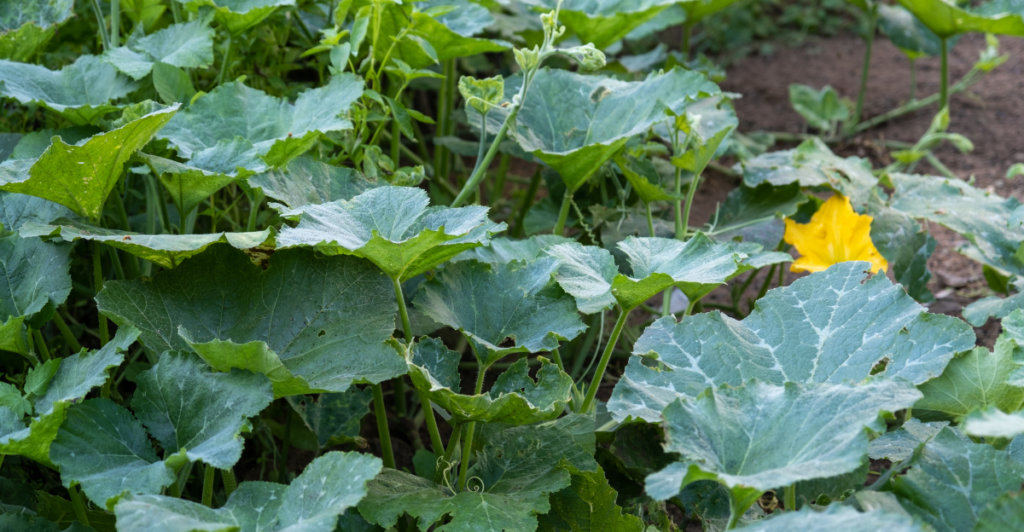
Hot springs • Early summer heat
Warm weather arrives early, making this one of the first places ready for heat-loving vegetables.
Plant now
- Tomatoes
- Peppers
- Eggplant (brinjal)
- Cucumbers
- Beans
- Pumpkins
- Sweetcorn (mielies)
- Watermelon
- Melons
- Basil
Growing tip
Mulch is your best friend. It keeps roots cooler and slows moisture loss during hot spring days.
Northern Cape
Hot • Dry • Water-wise gardening
Gardening here is less about luck and more about becoming very good friends with your watering can.
Plant now
- Tomatoes
- Beans
- Beetroot
- Carrots
- Lettuce
- Spinach
- Sweetcorn (mielies)
- Pumpkins
- Radishes
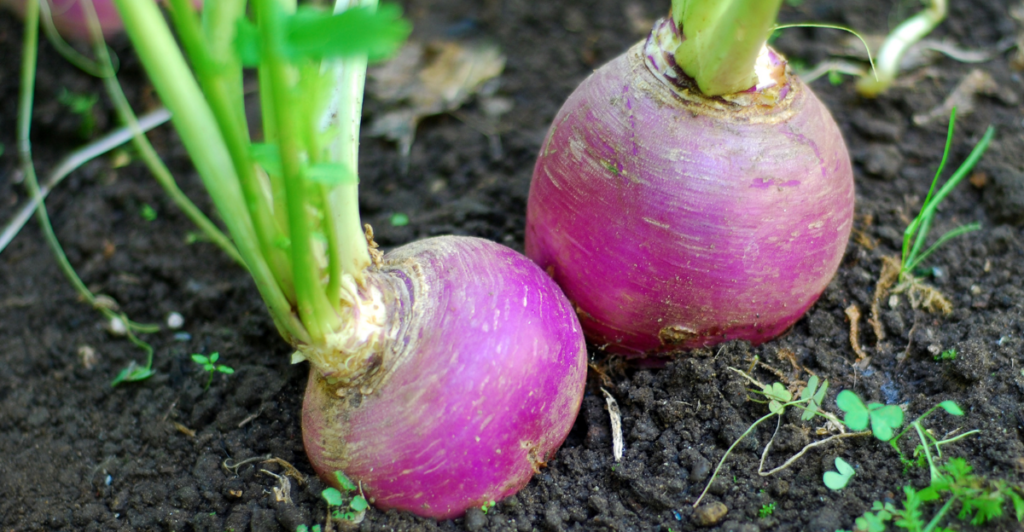
- Turnips
Growing tip
Water deeply rather than lightly every day. Strong roots are built underground long before you see the results above it.
Eastern Cape
Coastal, inland and everything in between
The Eastern Cape politely refuses to fit into a single planting calendar.
Along the coast, the climate is milder and shares many similarities with KwaZulu-Natal. Head inland and you’ll find conditions that feel much more like the Karoo or Highveld. Some areas receive winter rainfall, while others rely on summer rain.
Rather than following provincial borders, use the climate closest to where you live.
Plant now (depending on your local climate)
- Tomatoes
- Beans
- Sweetcorn (mielies)
- Beetroot
- Carrots
- Lettuce
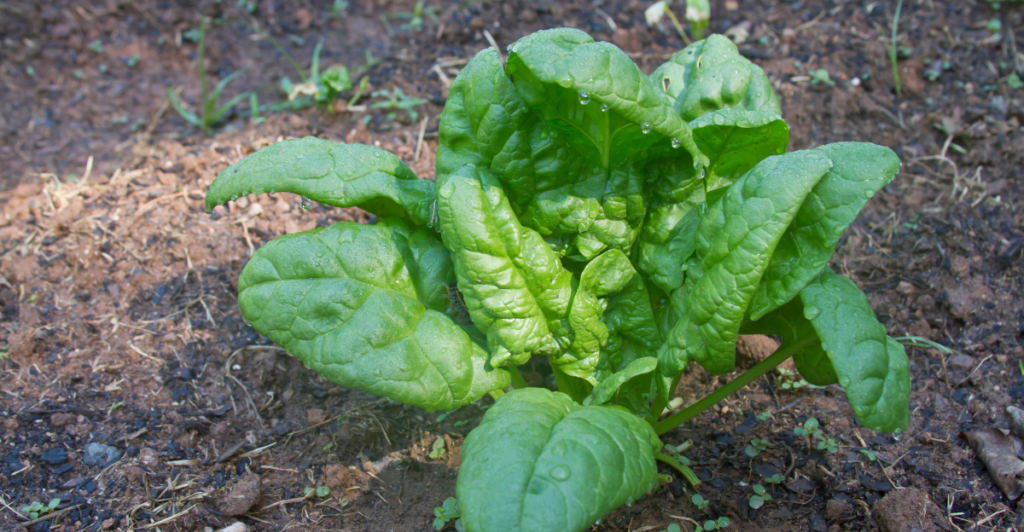
- Spinach
- Cucumbers
- Pumpkins
- Spring onions
- Radishes
Growing tip
Coastal gardeners can usually plant a little earlier and for longer than inland gardeners. If you’re in one of the colder inland areas, wait until the danger of frost has passed before planting heat-loving vegetables like tomatoes and cucumbers.
Plant Friends, Not Just Vegetables
A healthy vegetable garden isn’t just about vegetables. Some plants help attract pollinators. Others lure pests away from your crops. A few simply make better neighbours.
Try these combinations:
- Tomatoes + basil – A classic pairing. Basil attracts pollinators and fits perfectly beneath tomato plants.
- Brassicas + nasturtiums – Cabbage, broccoli and cauliflower often attract aphids. Nasturtiums act as a sacrificial plant, drawing many of them away.
- Marigolds throughout the garden – Their bright flowers attract bees and beneficial insects while adding colour to the vegetable patch.
- Spring onions between carrots, lettuce and beetroot – An easy way to make the most of limited space.
- Borage near flowering vegetables – A magnet for bees and other pollinators.
A productive vegetable garden doesn’t have to look like ruler-straight rows. Some of the healthiest gardens are a cheerful mix of vegetables, herbs and flowers all growing together.
One Last Thing…
Gardening has a funny way of reminding us not to compare ourselves with everyone else. The gardener in George isn’t behind because their tomatoes are only flowering. The gardener in Polokwane isn’t cheating because they’re already harvesting. They’re simply growing under different skies.
The same seed can produce very different results depending on where it’s planted. Perhaps people aren’t all that different. So before you follow the first planting calendar you find online, ask one simple question: Was it written for where I live? Because in South Africa, one calendar has never fitted us all.
🪶 Dive into this next: Why Does Silent Walking Need a Name?