

People have balanced running chainsaws on their chins, covered themselves in hundreds of thousands of bees, and squeezed astonishing numbers of people into very small cars, all for a place in the Guinness World Records book. Give us a number and, apparently, somebody somewhere will want to beat it.
There is an old Guinness record that still has a name beside it, but Guinness no longer accepts challengers. There was a time when this was considered perfectly acceptable territory for competition. Teenagers did it as an experiment. People entered rocking-chair marathons and kept rocking for days. Then weeks. The record climbed until one man pushed it to almost 19 days. Guinness eventually decided it didn’t want to know what came next.
A Teenager Who Wouldn’t Go to Bed
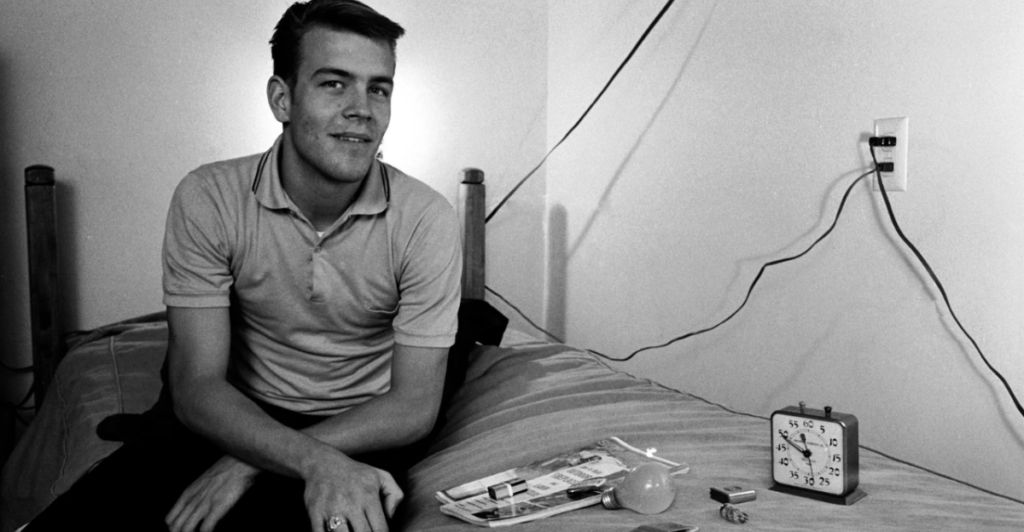
On 28 December 1963, 17-year-old Randy Gardner woke up in San Diego and began an experiment with two school friends. Gardner’s job was simple: don’t sleep. Word of the experiment eventually reached Stanford sleep researcher Dr William Dement, who joined the effort for its final days. Keeping Gardner awake meant keeping him occupied, so they played basketball and visited an arcade.
After days without sleep, Gardner could still play pinball remarkably well. In fact, he kept beating Dement. Away from the pinball machine, things were going rather differently. Dr John Ross, who also monitored Gardner, recorded problems with memory, concentration, and perception. By around day four, he reported hallucinations and delusions. Gardner continued.
On 8 January 1964, he finally stopped after 264 hours and 25 minutes. Eleven days and 25 minutes without sleep. That could have been the end of it. Instead, it became a number for somebody else to beat.
The Number Kept Climbing
Over the following years, the hours kept climbing. By 1977, Maureen Weston was taking part in a rocking-chair marathon in Peterborough, England. She remained awake for 449 hours. Eighteen days and 17 hours. Nine years later, another rocking chair appeared. This time, 27-year-old Californian stuntman Robert McDonald sat in it, in the front window of a restaurant in Mariposa.
Days passed. McDonald reportedly lost weight, struggled to keep food down, and began having trouble remembering things. He kept rocking. When he finally stopped in 1986, the number was extraordinary. 453 hours and 40 minutes. Eighteen days, 21 hours, and 40 minutes. Just two hours and 20 minutes short of 19 full days without sleep. Guinness recognised the record. Nobody would officially beat it.
A Problem With the Record Itself
After all those years of counting hours, there was something rather inconvenient about measuring how long somebody had stayed awake. The brain can steal sleep. When someone is severely sleep-deprived, they can slip into a microsleep lasting only a few seconds. Without continuous physiological monitoring, those tiny episodes can be extremely difficult to detect. Someone could be watched throughout an attempt and still briefly fall asleep without anyone knowing. Even Gardner may have experienced microsleeps despite being closely monitored.
So McDonald’s 453 hours and 40 minutes tell us how long his Guinness attempt lasted. It doesn’t prove his brain remained awake for every second of it. How long can a human actually stay awake? Nobody knows.
Guinness Decided Not to Find Out
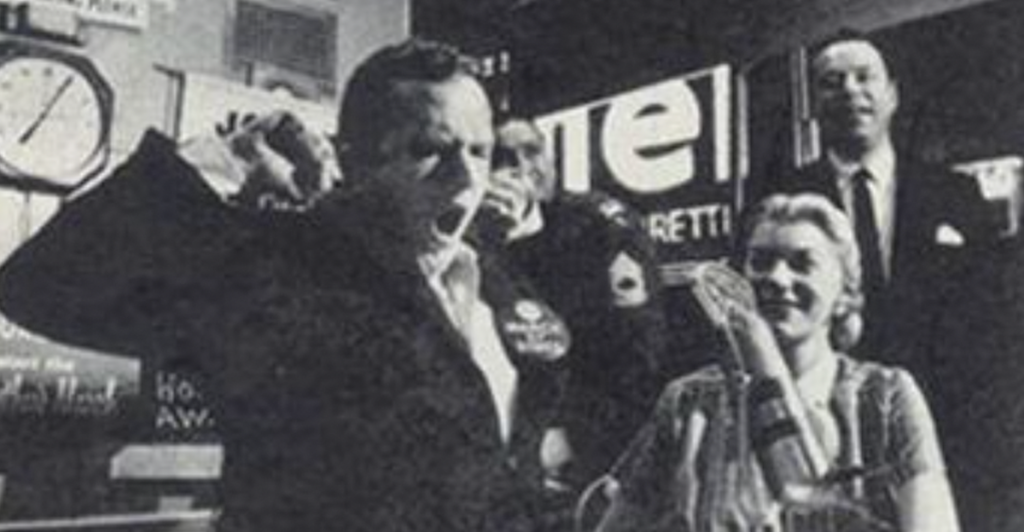
In 1997, Guinness World Records stopped monitoring the longest-time-without-sleep record because of the dangers involved. By then, severe sleep deprivation had already produced memory problems, changes in perception, hallucinations, and delusions during documented attempts. Anyone wanting McDonald’s title would need to push beyond almost 19 days. Then Guinness closed the category.
Most Guinness records are invitations. Run faster. Build bigger. Balance another chainsaw on your chin. McDonald’s isn’t. His 453 hours and 40 minutes has remained the last recognized mark for nearly 40 years. Some records are made to be broken. This one was made to be left alone.
🪶 Dive into this next: 47 Cans of Beans to Survive the Apocalypse

[…] 🪶 Dive into this next: The Only Guinness Record You’re Not Allowed to Challenge […]