

Family genes mean something is always being passed down. Sometimes it’s a crooked smile that keeps resurfacing in old photographs. Sometimes it’s a mop of stubborn curls, a dimple that belongs to no one else, or the uncanny habit of laughing exactly like a grandparent you never met. Most of the time, these quirks drift through generations without anyone giving them a second thought.
But every now and then, a family passes down something extraordinary. Not because nature broke its own rules. Not because of a miracle or a curse. Simply because history — a storm, an isolated valley, a handful of founding families — nudged a small group of people in a direction no one could have predicted.
Scientists travel thousands of kilometres to study what these families carry. Some discoveries have rewritten medical textbooks. Others still puzzle researchers decades later. All of them reveal something extraordinary
1. The Island Where Colour Became a Memory
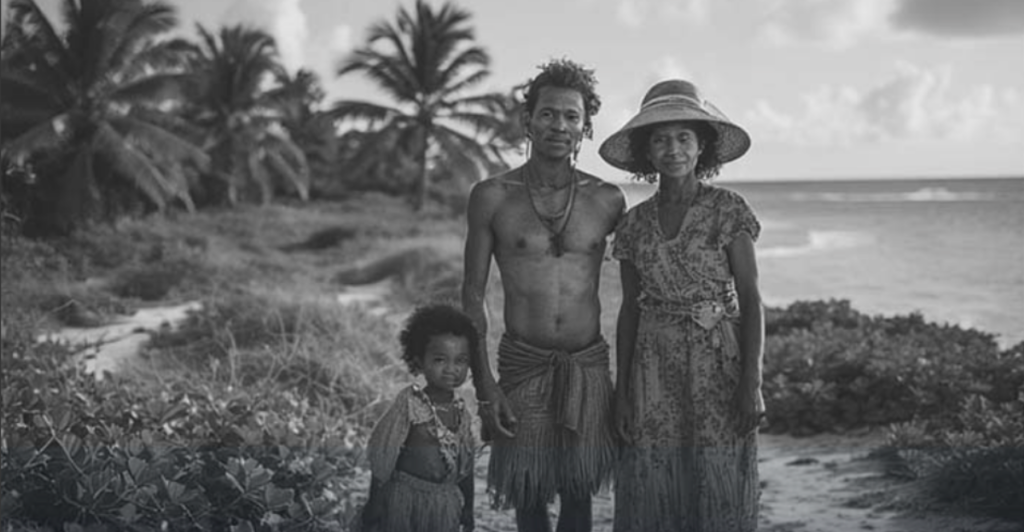
Picture paradise, and you’ve probably pictured Pingelap. The tiny coral atoll is ringed by turquoise lagoons, white sand, and palms that sway in the trade winds, water so vivid it looks retouched. Some of the people who live there have never seen any of it. For them, the world exists only in black, white, and grey.
The condition is achromatopsia — complete, inherited colour blindness. Sunlight is agony rather than comfort, forcing many to squint or hide in shade, and recognising a friend’s face across a room can be genuinely difficult. Worldwide, the condition is rare. The story starts with a disaster.
Around 1775, a typhoon tore the island apart, wiping out homes, crops, and most of its people. Only a few dozen survivors are thought to have remained and one of them, historians believe, carried a single recessive gene for achromatopsia. That’s all it took.
As the island slowly rebuilt, families grew, and children grew up marrying the only other children they’d ever known. Generation by generation, the gene spread until Pingelap became home to one of the highest concentrations of total colour blindness ever recorded on Earth.
2. The Town Where Twins Are Almost Ordinary
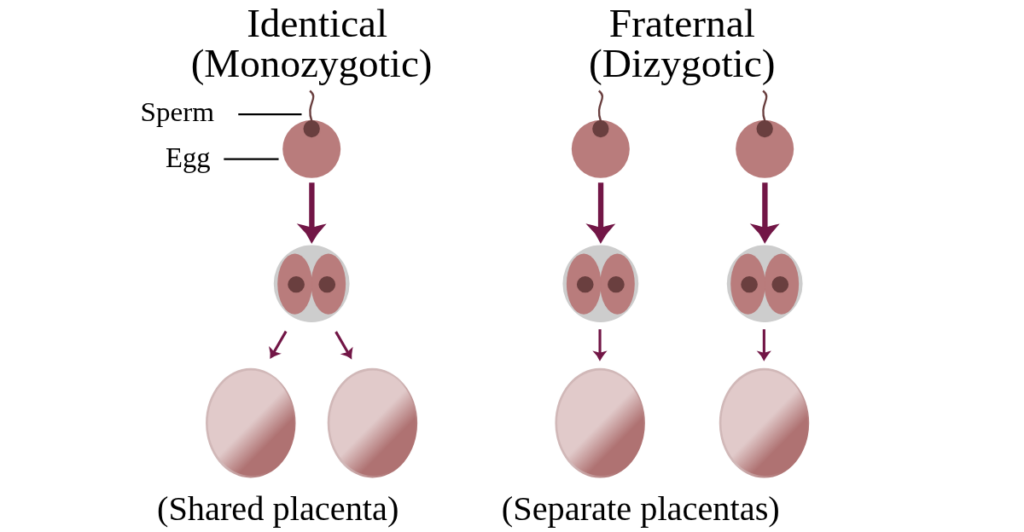
For most parents, “there’s another heartbeat” is the moment that stops their world. In Cândido Godói, it happens so often that almost no one blinks. This small farming town in southern Brazil has puzzled researchers for decades; twins turn up here at rates that defy the odds, filling classrooms and family photo albums with duplicate faces. Naturally, a mystery this strange attracted a monstrous explanation.
For years, rumours insisted that Josef Mengele — the Nazi doctor infamous for his wartime experiments on twins — had hidden out in the region after the war and secretly experimented on local women. The story metastasized through books and documentaries that liked a conspiracy more than a footnote.
Then researchers actually dug into the town’s history. What they found was far more convincing. Many of the town’s earliest settlers came from a small pool of German-speaking immigrant families. As the community grew, people kept marrying within that same tight-knit population. Over generations, gene variants linked to natural twinning simply became common, the genetic equivalent of a family name everyone happens to share.
3. The Community the Cameras Never Really Understood
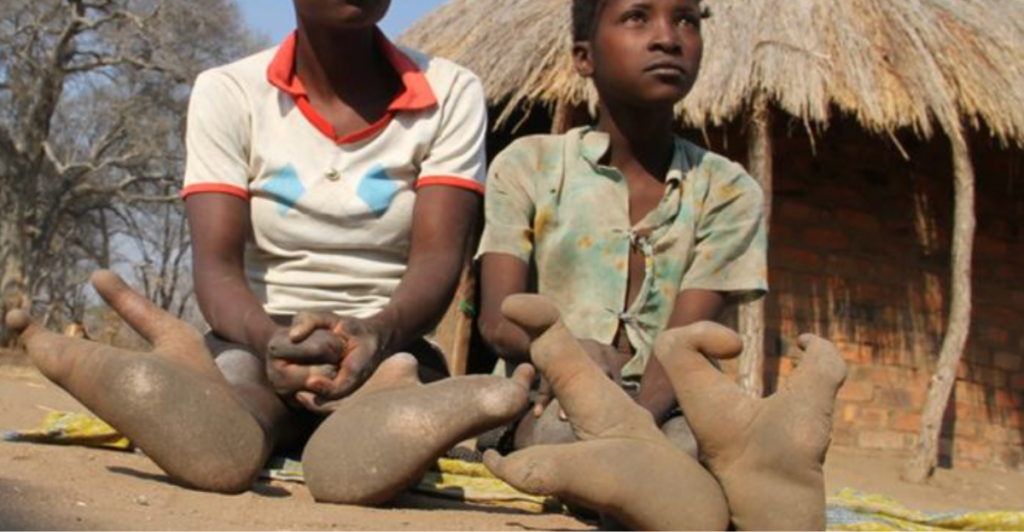
For decades, photographers travelled to northern Zimbabwe hunting for one specific image and they almost always found it: a foot with two large outer toes and a deep cleft where the middle toes should be. The photos circled the globe. The headlines followed, gleeful and reductive: “The Ostrich-Foot Tribe.” It’s a name that grabbed attention while missing almost everything that mattered.
The condition is ectrodactyly, a rare inherited difference in how hands or feet develop before birth. It appears in populations worldwide, but shows up more often among some Vadoma because the variant has passed through generations of a relatively isolated community. To outsiders, the feet became the whole story.
To the Vadoma, they were never the story at all. Children still race each other through the villages. Adults still climb trees for honey, herd livestock, and cross rugged terrain with a confidence that startles visitors. Life adapted long before a single camera showed up.
4. The Family That Was Born Blue
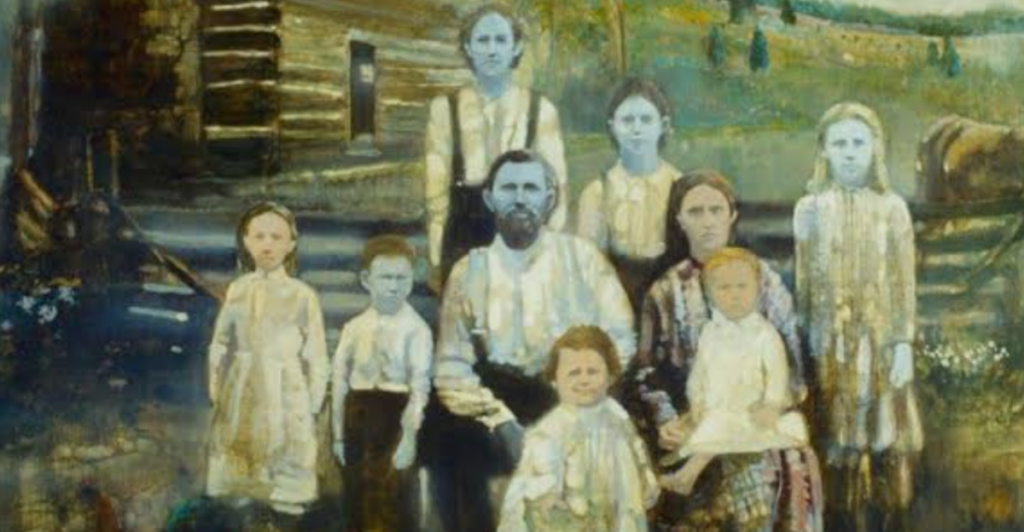
Long before anyone had an explanation, people simply called them the Blue Fugates. The family lived deep in the Appalachian hills of eastern Kentucky, in the kind of isolated hollow where everyone for miles knew everyone else. Word of the blue-skinned family spread fast, curdling into local legend. The real explanation, when it finally arrived, owed nothing to folklore.
Several Fugates carried hereditary methemoglobinemia, a rare blood disorder. Their blood held unusually high levels of methemoglobin, which can’t carry oxygen as efficiently as normal haemoglobin, and the result was skin with a striking blue-grey tint. Their appearance was unusual. Their history wasn’t.
The Fugates settled a remote valley in the early 1800s, where marrying outside the tiny local population wasn’t really an option. Generation after generation, the recessive gene kept resurfacing, quietly writing itself into the family tree.
When haematologist Dr. Madison Cawein finally studied the family in the 1960s, he found something almost unbelievable: a simple dose of methylene blue could restore the blood’s chemistry and visibly change their skin colour within minutes. For years, the neighbours wondered why the Fugates were blue. The doctors ended up asking a much bigger question: What else is human blood capable of?
5. The Sea Nomads Who Rewrote the Rules of Diving

For most of us, the ocean is somewhere we visit. For the Bajau, it’s simply home. Known as the “Sea Nomads,” generations of Bajau families have moved between the waters of Indonesia, Malaysia, and the southern Philippines, living on stilt houses and wooden boats, diving for fish and shellfish long before anyone invented a wetsuit or a scuba tank.
To outsiders, what they can do borders on impossible. Bajau divers routinely drop more than 20 metres on a single breath and stay down for minutes at a time, moving with a calm that ignores the panic most bodies feel after 60 seconds without air. For years, scientists chalked it up to practice. Then they looked inside the body.
In 2018, researchers found that Bajau divers have, on average, noticeably larger spleens than their neighbours. The spleen works like an oxygen reserve tank; it contracts during a dive, flooding the bloodstream with oxygen-rich red blood cells and stretching how long the body can hold its breath.
Centuries at sea hadn’t just shaped what the Bajau could do. It had reshaped what their bodies are. It’s become one of the clearest modern examples of a human population evolving to fit its environment, not over eons, but within a surprisingly short evolutionary window.
6. The People Who Thrive Where Others Struggle to Breathe
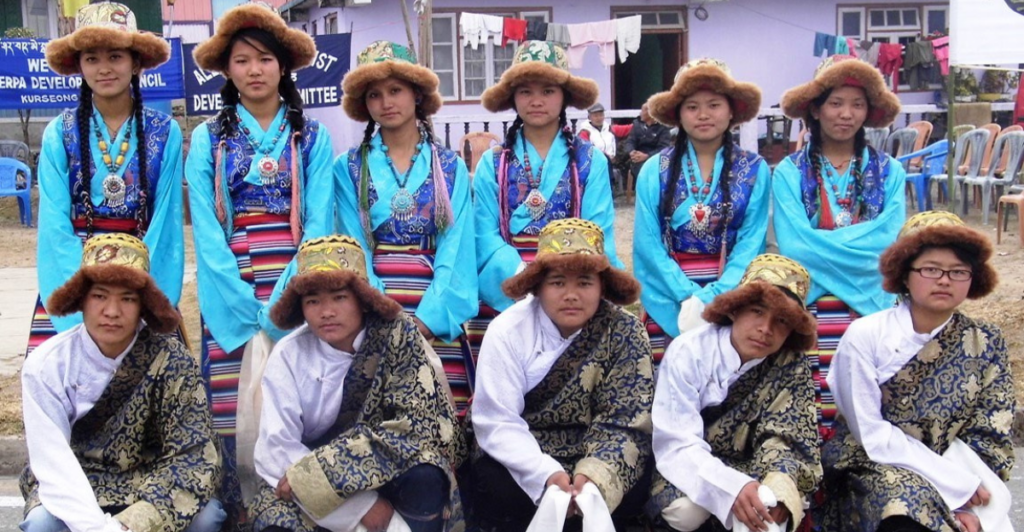
For most visitors, standing at Everest Base Camp is exhausting before you’ve even started climbing. Every step costs more than the last. Breathing turns deliberate. Headaches creep in. Even tying your shoes feels like a chore. The Sherpa experience the same mountain air completely differently.
For thousands of years, their ancestors have lived at altitudes where oxygen is dramatically thinner and rather than merely coping with it, their bodies adapted to it. This isn’t a fitness gap. Elite athletes flown in from sea level still struggle, while Sherpa porters routinely carry loads heavier than their own body weight across terrain that leaves seasoned climbers gasping. Researchers eventually figured out why.
Most people exposed to high altitude respond by overproducing red blood cells, a reaction that actually thickens the blood and strains the heart. Sherpa bodies skip that step. Genetic adaptations let them use the oxygen they have far more efficiently throughout the body.
It isn’t a superpower. It’s the result of thousands of years spent living somewhere almost no one else could. Every successful Everest expedition, in some sense, is standing on top of that adaptation — on knowledge, endurance, and biology shaped by mountains that came first.
7. The Family That Forgot How to Sleep
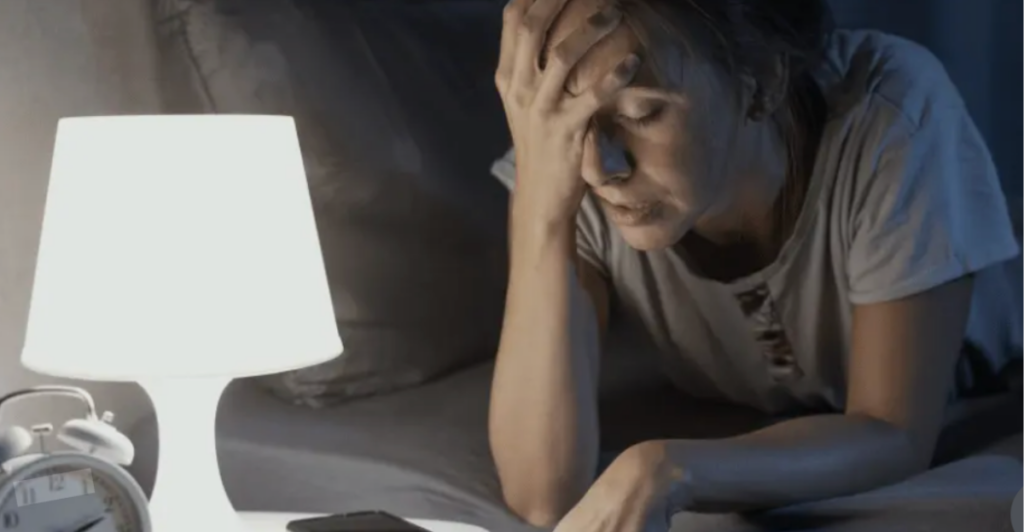
Sleep is one of the few things every human being shares. No matter how stubborn we are, our bodies eventually insist on it. Unless they can’t. In parts of northern Italy, a handful of families inherited one of the rarest and cruelest disorders ever documented: Fatal Familial Insomnia.
It never announces itself dramatically. Sleep just gets a little harder. Nights stretch longer. Weeks pass. Eventually, the brain loses the ability to enter real sleep at all, no matter how exhausted the body becomes and there’s no catching up the next night, or the one after that. What follows is hallucinations, memory loss, confusion, and a steady neurological collapse. The disease is always fatal.
The cause is a mutation in the PRNP gene, the same gene implicated in other rare prion diseases. Because it’s inherited in an autosomal dominant pattern, any child of an affected parent has a coin-flip chance of carrying it too.
For decades, families watched the same tragedy repeat down the generations without understanding why. Their grief eventually opened one of science’s most important windows into the biology of sleep itself, helping researchers understand not just this rare disease, but why sleep is so fundamental to keeping a human brain alive at all.
8. The Family That Barely Feels Pain
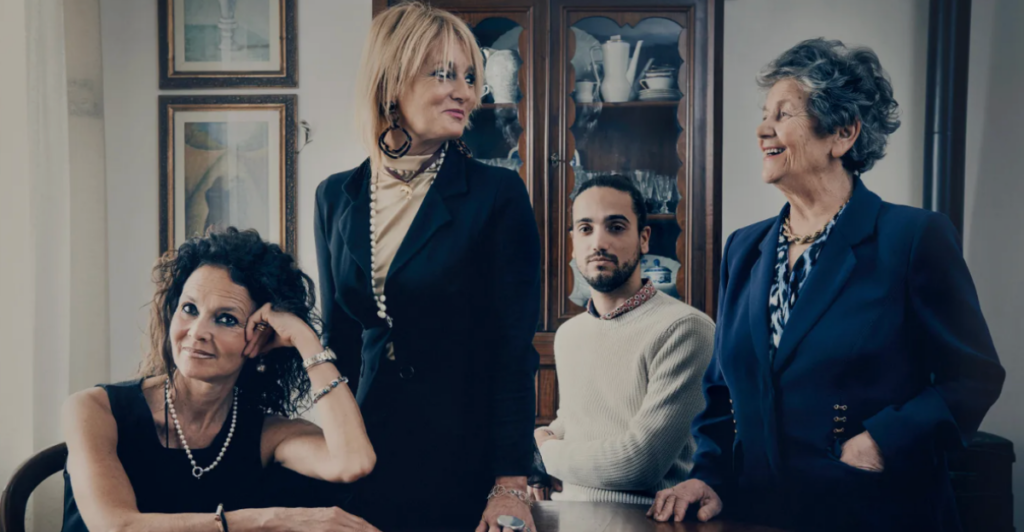
Pain has a terrible reputation. And yet without it, none of us would last very long. Pain is what yanks your hand off a hot stove. What forces you to stay off a broken ankle. What warns you, loudly, that something inside is wrong. The Marsili family grew up hearing those warnings only faintly… if at all.
For years, relatives noticed something strange about themselves: they could walk on a fractured bone for days without realising it, shrug off burns that should have sent them to a hospital, and barely notice cuts healing on their own. They weren’t fearless. They simply didn’t feel pain the way the rest of us do.
Researchers eventually traced it to a rare mutation in the ZFHX2 gene, which helps control how pain signals travel through the nervous system. The discovery drew attention from around the world, not because scientists wanted more people who couldn’t feel pain, but because they desperately wanted to understand the ones who could.
Millions of people live with chronic pain that never switches off. By studying why the Marsili family’s pain barely registers, researchers hope to build entirely new treatments — ones that quiet pain without the addictive baggage of the drugs we rely on now.
When History Hides Inside DNA
At first glance, these stories seem to share almost nothing. A Pacific island. A Brazilian farming town. Sea nomads. Mountain guides. Families in Kentucky and Italy.
Look closer, and a pattern emerges. Some were shaped by isolation. Others by ancient adaptation, or by a single mutation that slipped quietly from one generation into the next. Not one of these people chose to become a scientific case study. They were simply living — long before anyone arrived with notebooks, DNA swabs, and impossible questions.
The remarkable part was never that these genes exist. It’s that they survived long enough to tell a story at all. History isn’t only preserved in ruins, maps, or fading photographs. Sometimes it’s written into the people who inherited it, waiting, patiently, for science to catch up to what their families always carried.
🪶 Dive into this next: The Only Guinness Record You’re Not Allowed to Challenge

[…] 🪶 Dive into this next: 8 Places Where Rare Genes Became Surprisingly Common […]